Types of Skylights Used in Modern Skylight Installation
People seeking modern skylight installation often want to understand the types of skylights used, and local contractors can help select and install the best options for their space.
Homeowners exploring skylight installation often find themselves considering the various types of skylights used in modern skylight installation. Understanding the differences between fixed, vented, tubular, and custom-designed skylights can help property owners make informed decisions that enhance natural light, improve energy efficiency, and boost the aesthetic appeal of their spaces. Local contractors specializing in modern skylight installation can provide valuable insights into which options best suit specific architectural styles and functional needs, ensuring the final result seamlessly integrates into the property.
For those interested in upgrading or adding skylights, knowing the available types can also clarify the practical benefits each offers, such as improved ventilation or increased daylight. Whether aiming to brighten a dark room or create a unique architectural feature, property owners can rely on local service providers to guide them through the selection process and handle the installation with precision. Keep reading to learn more about the different types of skylights used in modern skylight installation and how local experts can help bring these solutions to life.
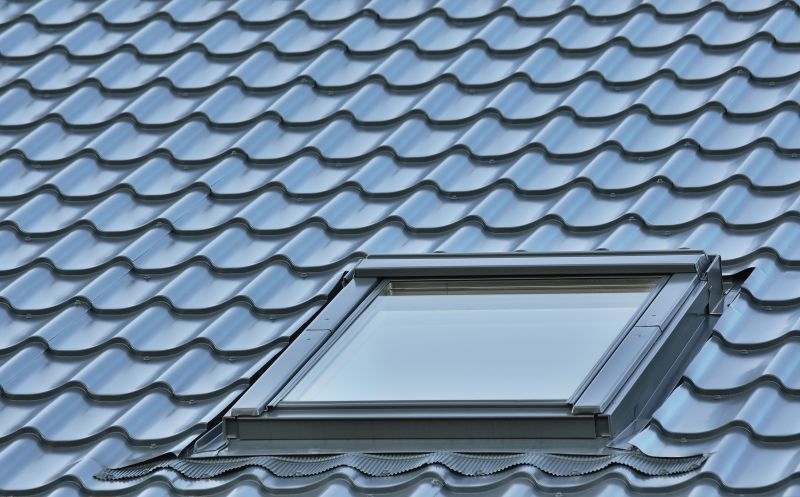
- Velux skylights - Ideal for those seeking a versatile option that enhances natural light and ventilation, with local contractors skilled in proper installation techniques.
- Fixed skylights - Suitable for spaces where daylight is desired without the need for opening, with service providers ensuring seamless integration into existing roof structures.
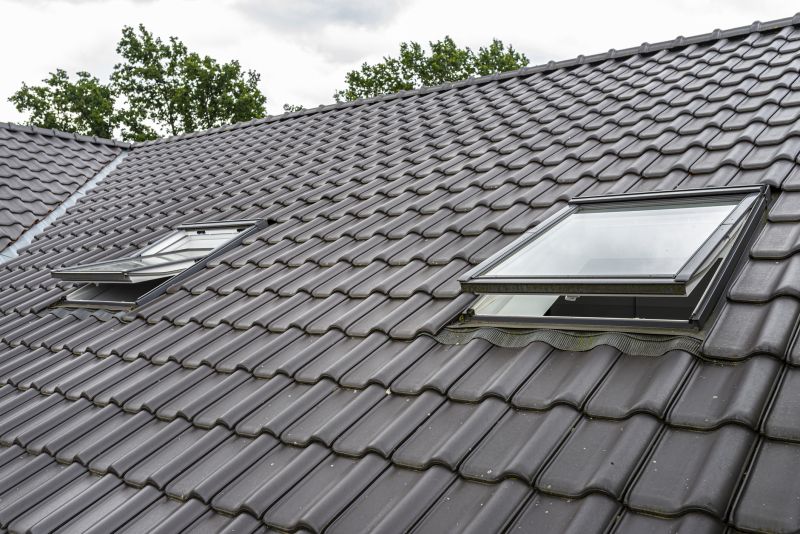
- Operable skylights - Perfect for improving airflow in residential or commercial spaces, with local pros expertly installing mechanisms for ease of use.
- Tubular skylights - Best for small or hard-to-reach areas, with local contractors specializing in precise fitting and ceiling penetration.
- Custom skylights - Designed for unique architectural needs, with service providers customizing installation to match specific design and structural requirements.

When homeowners search for information about the types of skylights used in modern skylight installation, they often aim to understand the options available to enhance natural light, improve ventilation, or add architectural interest to their properties. This search typically relates to planning or renovating spaces such as living rooms, kitchens, or attics, where increasing daylight can make a significant difference. Many property owners are considering skylights as part of broader home improvement projects, seeking solutions that blend functionality with aesthetic appeal. Understanding the different types of skylights helps homeowners evaluate which options best suit their specific needs, whether for energy efficiency, style, or ease of installation.
The scope of this topic often ties into various property considerations, including the structure’s design, roof type, and existing architecture. For example, flat roofs may require different skylight options compared to pitched roofs. Some property owners may be exploring skylights to reduce the need for artificial lighting during the day or to improve airflow in spaces that tend to get stuffy. Others might be planning to incorporate skylights into new construction or major remodels. These projects often involve coordinating with local contractors who specialize in skylight installation, ensuring that the chosen types are properly integrated into the building’s structure and meet the homeowner’s goals.
In terms of property types, skylights are commonly installed in residential homes, especially in attics, lofts, or vaulted ceilings that benefit from increased natural light. They are also popular in commercial buildings such as offices, retail spaces, or community centers where natural illumination can reduce energy costs and create inviting environments. Additionally, some property owners of historic or custom-designed buildings seek specific skylight styles to match their property’s architecture. Working with local service providers ensures that the selected skylight types are suitable for the property’s design and that installation is handled efficiently and correctly.
Different types of skylights used in modern skylight installation vary based on factors like opening mechanisms, glazing materials, and frame styles. Common options include fixed skylights, which do not open but provide continuous daylight; vented skylights that can be opened for ventilation; and tubular skylights, which are ideal for smaller or more confined spaces. Each type serves particular functions and suits different property layouts. Local pros can assist in selecting the appropriate skylight type for a specific project, ensuring that it complements the property’s architecture, meets practical needs, and is installed correctly for long-lasting performance.
Roof replacement projects - professionals skilled in roofing and skylight installation often handle roof replacements that include installing or upgrading skylights as part of the process.
Home addition and extension projects - expanding living spaces may involve skylight installation to enhance natural light, requiring similar planning and construction skills.
Attic conversion projects - converting attics into usable rooms often involves installing skylights to improve daylight and ventilation, utilizing comparable techniques.
Window and door replacement services - these projects share planning and installation skills with skylight installation, especially when integrating new openings in roofs or ceilings.
Sunroom and conservatory construction - building sunrooms involves installing large skylights or roof windows, which rely on similar tools and project planning as modern skylight types.
Exterior remodeling projects - exterior upgrades like dormer additions or roof modifications often include skylight installation, requiring expertise in similar construction methods.
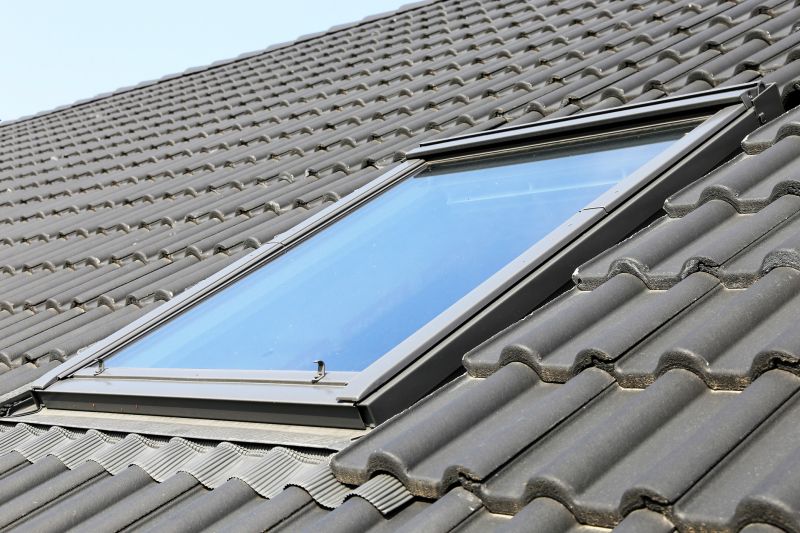
When evaluating service providers for modern skylight installation, it’s important to consider their experience with similar projects. Homeowners should inquire about the types of skylights used in modern skylight installation that local contractors have worked with previously. An experienced professional will have a clear understanding of the different skylight options available, such as fixed, vented, or tubular skylights, and how each can be integrated into a variety of architectural styles. This familiarity helps ensure that the chosen skylight type will meet the homeowner’s aesthetic preferences and functional needs while adhering to best practices for installation.
Clear written expectations are essential when comparing local contractors for skylight services. Homeowners should seek detailed descriptions of the scope of work, including the specific types of skylights that will be installed, the materials to be used, and the process involved. Having this information in writing helps prevent misunderstandings and provides a basis for evaluating whether a service provider’s approach aligns with the homeowner’s vision. Additionally, understanding what the installation process entails and what responsibilities the contractor will handle can contribute to a smoother project and more predictable results.
Reputable references and good communication are key factors in selecting a reliable service provider for modern skylight installation. Homeowners are encouraged to ask for references or examples of completed projects involving different types of skylights to gauge the quality of previous work. Effective communication from the contractor-such as prompt responses to questions and clarity about options-can make the entire process more manageable. Choosing a local contractor who demonstrates transparency, responsiveness, and a track record of successful installations can help ensure that the project proceeds efficiently and meets expectations.
Property owners often search for types of skylights used in modern skylight installation when they are planning practical projects around their homes and businesses. Local pros provide Modern Skylight Installation services for everyday jobs and straightforward project options.

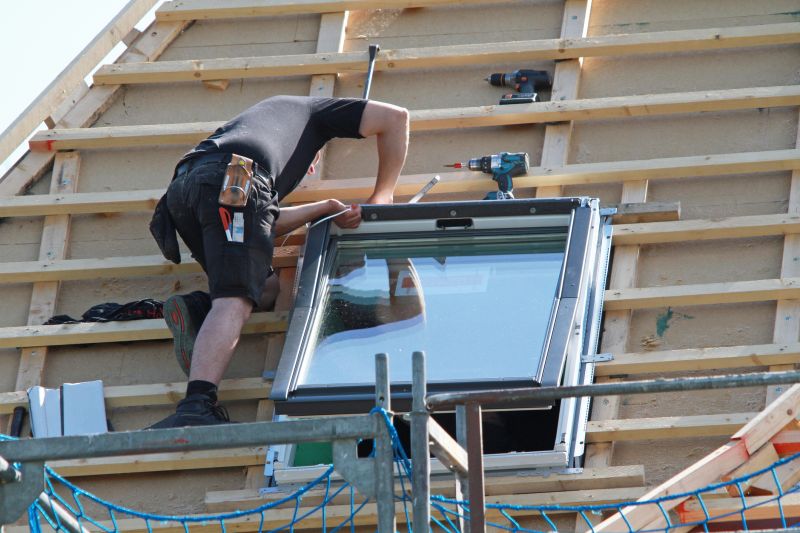
Understanding the different types of skylights used in modern skylight installation can help property owners make informed decisions about enhancing their homes. Common options include fixed skylights, which provide natural light without ventilation, and vented skylights, designed to allow airflow and improve indoor comfort. Additionally, tubular skylights are popular for smaller spaces or areas where a traditional skylight might not fit, offering a streamlined way to bring daylight into tight spots. Local contractors who specialize in skylight installation can advise on the best type for specific needs, ensuring that the chosen skylight complements the home’s design while delivering the desired benefits.
Many property owners in the area consider modern skylight installation to boost natural light and improve energy efficiency. Knowing the different types of skylights available can help them select the right solution for their space. For example, some might prefer the sleek look of tubular skylights for a minimalist aesthetic, while others may opt for vented models to enhance ventilation. Local service providers are experienced in installing various skylight types and can help evaluate which options will work best for a home's architecture and lighting goals, making the process straightforward and tailored to individual preferences.
What are common types of skylights used in modern skylight installation? Common types include fixed skylights, which do not open; vented or operable skylights that allow airflow; tubular skylights that are compact and ideal for small spaces; and skylight domes, which provide enhanced durability and light diffusion. Local contractors can help determine the best type based on the specific needs of a property.
How do fixed and vented skylights differ in modern skylight installation? Fixed skylights are designed solely to bring in light without ventilation, while vented skylights can be opened to allow fresh air and natural ventilation. Local service providers can advise on which type suits a building’s functional and aesthetic requirements.
Are tubular skylights a popular choice in modern skylight installation? Yes, tubular skylights are popular for their ability to bring natural light into small or hard-to-reach areas without extensive roof modifications. Local pros can install these efficiently, ensuring optimal light transmission and energy efficiency.
What materials are typically used for skylight domes in modern skylight installation? Skylight domes are commonly made from acrylic or polycarbonate materials, which offer durability, impact resistance, and clarity. Local contractors can recommend the best material options based on the climate and building design.
Can local service providers customize skylight types for specific architectural styles? Yes, many local pros can customize skylight styles, sizes, and materials to complement different architectural designs and interior needs, ensuring a seamless integration with the building’s aesthetics.
Fixed skylights - property owners can incorporate fixed skylights into new roof designs to bring in natural light without moving parts, ideal for areas like living rooms or kitchens.
Ventilating skylights - installing ventilating skylights in bathrooms or attics helps improve airflow and reduce humidity, with local contractors managing proper installation.
Tubular skylights - these compact options are suitable for small spaces such as hallways or closets, providing daylight where traditional skylights might not fit.
Smart skylights - integrating automated or remote-controlled skylights allows property owners to adjust light levels easily, often handled by local service providers during installation.
If you are thinking about types of skylights used in modern skylight installation for a property, this guide is meant to help you understand this topic, the typical project types, and how different options might fit your plans.
When you are ready, you can use the quote form on this page to share a few details about your project. From there, local pros can review the basics and follow up with options that match what you have in mind.