Signs Your Home Is Ready for a Skylight Installation
If your home shows signs like limited natural light or outdated windows, local contractors can assess and install skylights to brighten your space effectively.
Homeowners considering skylight installation often notice certain signs that their space could benefit from additional natural light. For instance, rooms that feel dark or lack windows might feel more inviting and open with a well-placed skylight. Additionally, spaces with limited wall space for traditional windows, such as attics or vaulted ceilings, may be ideal candidates. Recognizing these indicators can help property owners determine if their home is ready to embrace the benefits of increased daylight, and local contractors experienced in skylight installation can provide the expertise needed to bring this improvement to life.
Other signs include rooms that feel stuffy or lack ventilation, as skylights can sometimes be opened to improve airflow. If a home’s roof structure is accessible and in good condition, it may be suitable for a skylight installation. Local service providers can assess these factors and help homeowners explore options that enhance both the aesthetics and functionality of their living spaces. Keeping an eye out for these signs can be the first step toward transforming a home with more natural light and a brighter, more welcoming atmosphere.
- Roof Inspection - when signs your home is ready for a skylight installation include roof areas showing wear or damage, prompting local contractors to evaluate structural integrity.
- Attic Assessment - if the attic lacks natural light or feels dark and cramped, service providers can determine if a skylight would improve the space.
- Energy Efficiency Review - rising energy bills may indicate poor insulation or ventilation, leading local pros to recommend skylight installation as a solution.
- Interior Space Evaluation - rooms that feel dull or lack sunlight might benefit from skylights, with local contractors assessing the best placement options.
- Structural Compatibility Check - when the roof structure appears suitable, service providers can confirm if the home can support a skylight safely.
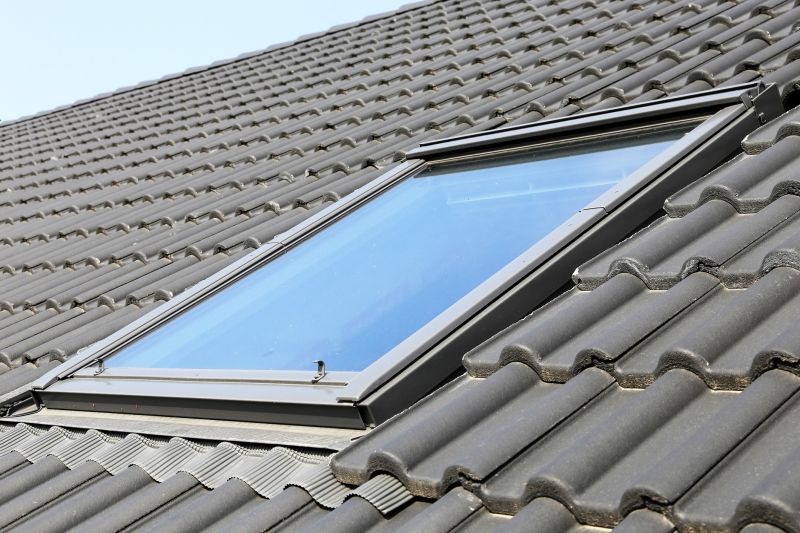
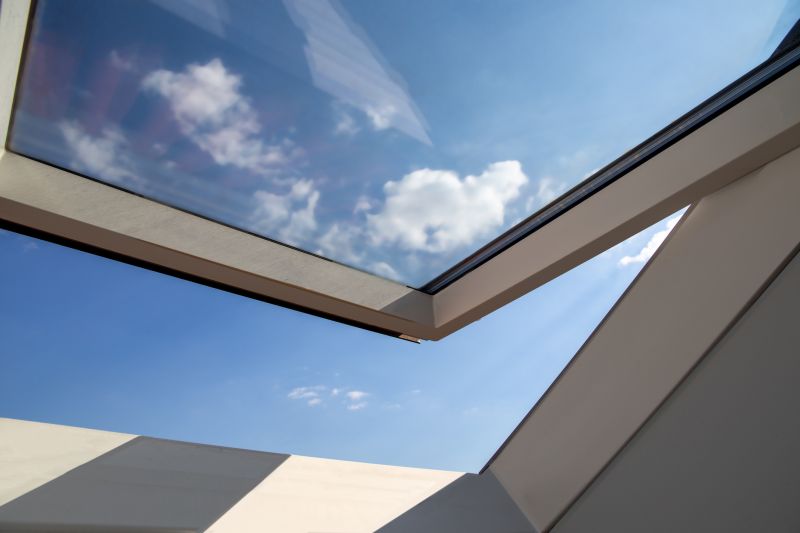
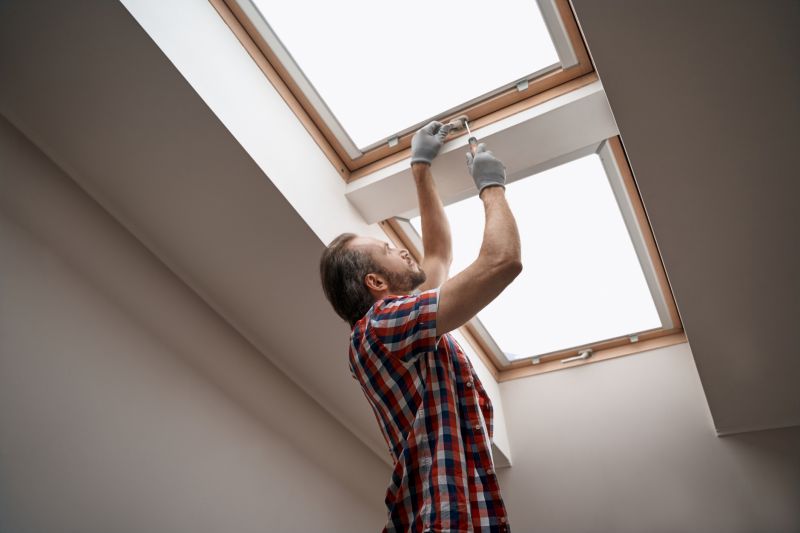
When homeowners search for signs their home is ready for a skylight installation, they are often trying to determine whether their property can support this type of upgrade. Typically, this involves assessing the roof structure, the amount of natural light currently available, and the overall design of the space. People may be considering skylights to brighten dark rooms, improve ventilation, or add aesthetic appeal. Understanding these motivations helps homeowners recognize whether their home’s layout and condition align with the requirements for a successful skylight project.
Many of the problems or plans associated with this topic revolve around improving interior lighting, reducing reliance on artificial lights, or enhancing the overall ambiance of a space. For example, homeowners might notice rooms that feel dim or enclosed, prompting thoughts about installing skylights to bring in more daylight. Others may be planning a renovation or addition that includes a roof feature to make the space more open and inviting. Recognizing these needs can help determine if a skylight is a practical solution, and consulting with local contractors can ensure the structural aspects are suitable for installation.
The types of properties that commonly come up in discussions about signs your home is ready for a skylight installation include single-family homes, especially those with pitched or flat roofs, as well as some multi-family buildings. Homes with relatively flat or low-slope roofs are often good candidates, provided the roof structure can support the installation. Additionally, properties with clear access to the roof and unobstructed overhead space tend to be more suitable. It’s also important to consider the orientation of the home-south-facing roofs generally allow for more effective daylighting, making them ideal for skylight placement.
Understanding how local service providers fit into this process is key for homeowners exploring skylight options. These professionals can evaluate the existing roof structure, identify potential challenges, and recommend suitable skylight styles and placements. They help ensure that the installation aligns with the home’s design and structural integrity. By working with experienced contractors, homeowners can confidently determine whether their property is ready for a skylight, and move forward with a project that enhances natural light and improves the overall comfort of their living space.
Attic insulation projects - these involve evaluating and upgrading insulation to improve natural light distribution, which aligns with planning for skylight installation and ensuring proper energy efficiency.
Roof repair and replacement - addressing roof integrity and structure is essential before installing a skylight, making this a related project that requires similar planning and tool usage.
Window installation services - installing new windows involves similar framing and sealing skills that are applicable when adding skylights to enhance natural lighting.
Interior remodeling projects - these often include opening up ceilings or walls, which can prepare a space for skylight installation and require precise planning and material handling.
Skylight repairs and upgrades - existing skylight maintenance involves assessing roof conditions and sealing, skills also used when preparing for new skylight installations.
Ceiling reinforcement and remodeling - strengthening or modifying ceilings to support skylights involves similar structural assessment and planning as part of the installation process.
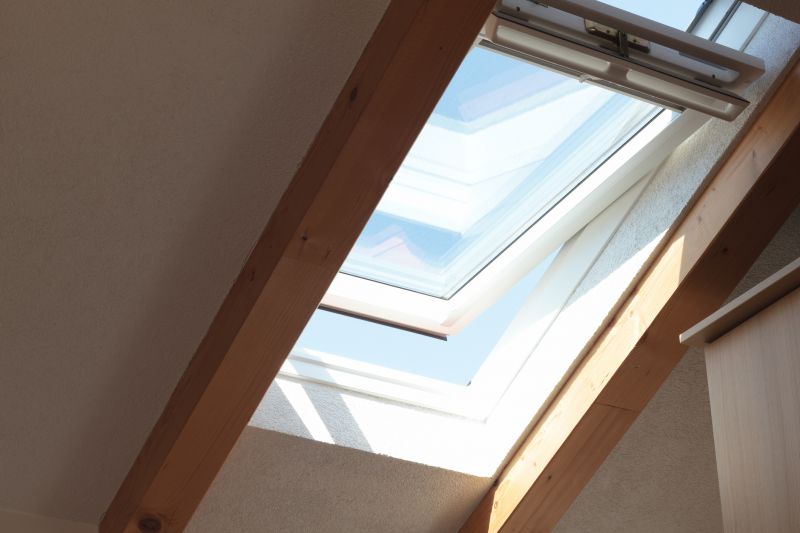
When evaluating potential service providers for skylight installation, it is important to consider their experience with similar projects. Homeowners should inquire about the types of skylights the contractors have installed and whether they have worked on homes with comparable architectural styles or roofing systems. A contractor’s familiarity with the specific challenges and best practices associated with skylight installation can help ensure the job is completed effectively and efficiently. Reputable local contractors often have a portfolio of completed projects or references that can provide insight into their expertise and success with projects like yours.
Clear, written expectations are essential when choosing a skylight installation service provider. Homeowners should seek detailed proposals that outline the scope of work, materials to be used, and the projected process for installation. Having this information in writing helps prevent misunderstandings and ensures that both parties are aligned on the project’s goals. Service providers who are transparent about their procedures and willing to provide thorough documentation demonstrate professionalism and a commitment to clear communication, which can contribute to a smoother installation experience.
Good communication and reputable references are key indicators of a trustworthy local contractor. Homeowners are encouraged to ask for references or reviews from previous clients who had similar skylight projects completed. Speaking with past customers can reveal insights into the contractor’s reliability, responsiveness, and quality of work. Additionally, a service provider who maintains open lines of communication throughout the process - from initial consultation to project completion - can help address questions promptly and keep the project on track. These qualities collectively support a positive experience and increase confidence in the contractor’s ability to meet expectations.
Property owners often search for signs your home is ready for a skylight installation when they are planning practical projects around their homes and businesses. Local pros provide Skylight Installation services for everyday jobs and straightforward project options.
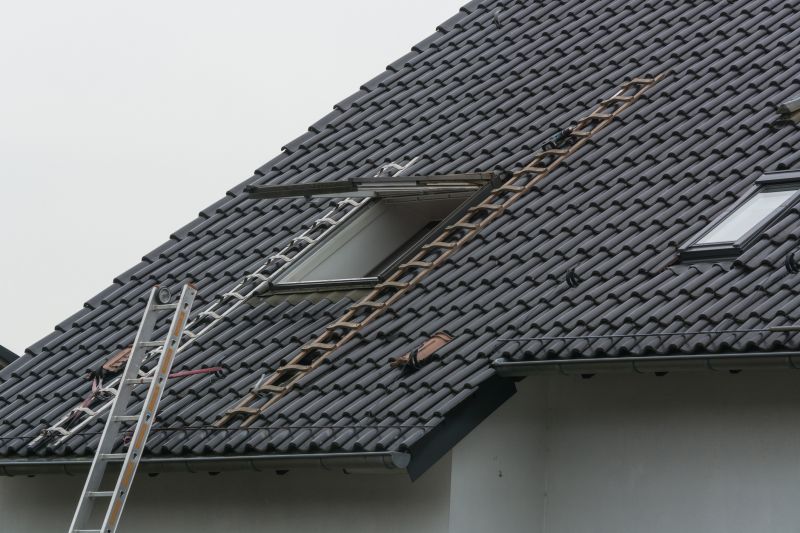
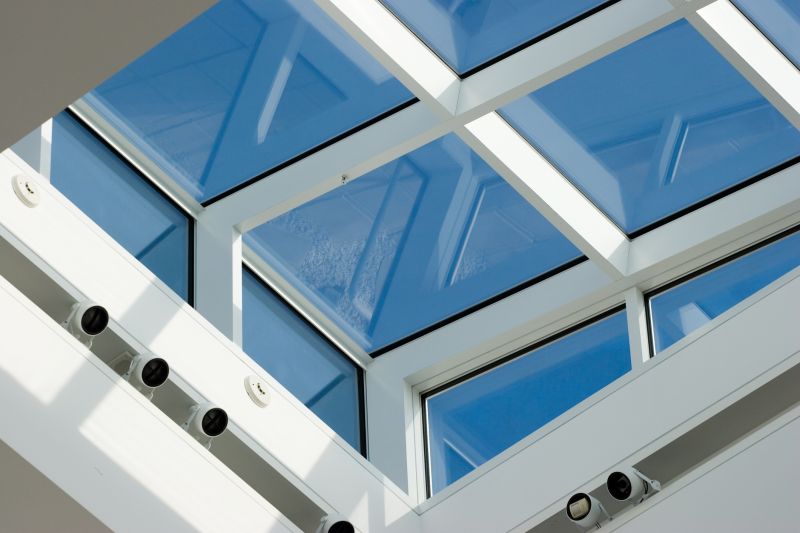
Homeowners in the area often consider skylight installation when they notice natural light is limited in key living spaces or the interior feels darker than desired. If rooms such as the living room, kitchen, or bathroom lack sufficient daylight, it might be a sign that a skylight could enhance the space. Additionally, property owners who enjoy the idea of bringing more sunlight indoors for a brighter, more inviting atmosphere may explore local contractors who specialize in skylight installation services. Recognizing these everyday situations can help determine if the home is ready to benefit from the natural illumination that skylights provide.
Other common indicators include issues with existing windows or roof structures that could be improved with a skylight addition. For example, if a home has areas prone to dampness or mold due to poor ventilation, installing a skylight can help increase airflow and reduce moisture buildup. Property owners who notice uneven lighting or want to create a more open feeling in their home often look into professional skylight installation. Connecting with experienced local service providers can help evaluate these signs and explore options for adding natural light to enhance the comfort and aesthetic appeal of the home.
How can I tell if my roof has enough structural support for a skylight? Local contractors can assess your roof's framing and load-bearing capacity to determine if it can safely accommodate a skylight installation.
Is my attic space suitable for adding a skylight? Professionals can evaluate your attic’s insulation, ventilation, and available space to ensure proper installation and function of a skylight.
Are there any existing roof issues that should be addressed before installing a skylight? Skilled service providers can identify leaks, damage, or weak spots that need repair prior to skylight installation for optimal results.
Does my home’s design allow for natural light enhancement with a skylight? Local experts can review your home’s layout and roof orientation to determine if a skylight will effectively increase natural light.
Are there any obstructions or external factors that could affect skylight installation? Contractors can check for nearby trees, vents, or other structures that might interfere with proper skylight placement and function.
Natural light needs - When rooms lack sufficient sunlight during the day, local contractors can help evaluate if a skylight could brighten the space effectively.
Structural readiness - Homeowners noticing existing roof or ceiling issues may consider consulting local pros to assess if their home can support a skylight installation.
Energy efficiency concerns - If a home experiences uneven heating or cooling, local service providers can advise on how skylights might improve energy distribution.
Aesthetic upgrades - When planning home improvements, property owners might explore skylight options with local contractors to enhance both lighting and visual appeal.
If you are thinking about signs your home is ready for a skylight installation for a property, this guide is meant to help you understand this topic, the typical project types, and how different options might fit your plans.
When you are ready, you can use the quote form on this page to share a few details about your project. From there, local pros can review the basics and follow up with options that match what you have in mind.